

The Body Is Fascinating: Understanding Fascia and Why It Matters
Have you ever heard of fascia? For years, it was dismissed as “the fuzz” and often removed during cadaver dissection. Today, however, fascia is gaining recognition as one of the most important systems in the human body.
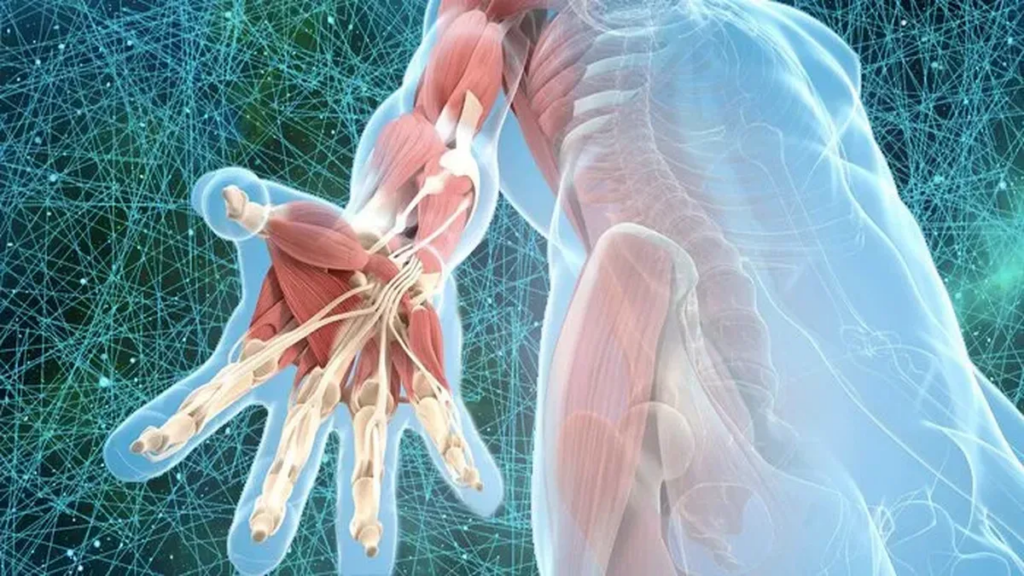
Fascia is a form of connective tissue that surrounds, supports, and integrates every part of us—muscles, bones, organs, nerves, and even individual cells. You can think of it like a three-dimensional web or a layer of saran wrap that holds the entire body together while still allowing it to move fluidly.
But fascia is more than just structure. It plays a key role in how our bodies move, feel, and adapt.
What Does Fascia Do?
Fascia helps maintain the body’s shape and distributes tension throughout the system. This concept is often described as tensegrity, or “floating compression,” where the body maintains integrity through balanced tension rather than rigid support.
In simple terms, when one part of your body moves or experiences stress, that force is distributed across the entire fascial network. This is why tightness or dysfunction in one area can show up as pain somewhere else.
Healthy movement helps organize fascia. Lack of movement—or repetitive, imbalanced movement—can lead to disorganization, stiffness, and discomfort.
Fascia and Sensation
Fascia is richly innervated, meaning it contains many sensory receptors. These receptors play a role in how we perceive movement, tension, and even body awareness (also known as proprioception).
Because of this, fascia is deeply connected to how we feel in our bodies—not just physically, but sometimes emotionally as well. While research is still evolving, many practitioners observe that chronic stress, traumas, and tension patterns can influence how the body holds and moves.
The Role of Hydration and Hyaluronic Acid
Fascia is made up largely of water—about 70–75%. This hydration allows tissues to glide smoothly against one another.
A key component within fascia is hyaluronic acid (hyaluronan), which helps lubricate tissues and supports elasticity. When fascia becomes dehydrated or restricted, this glide can be reduced, leading to stiffness or a “sticky” feeling in the body.
That’s why both hydration and movement are essential for maintaining healthy fascia.
What Affects Fascia?
Several factors can impact the health of your fascial system:
- Sedentary lifestyle or lack of movement
- Repetitive movement patterns
- Injury or surgery
- Aging
- Chronic stress and tension
- Emotional holding patterns
While we can’t control everything, we can influence many of these factors through daily habits and awareness.
How to Support Your Fascia
Taking care of your fascia doesn’t have to be complicated. Here are a few simple, effective approaches:
1. Move Your Body Mindfully
Practices like yoga, tai chi, and somatic movement encourage full-body engagement and help maintain balance throughout the fascial network.
2. Breathe and Slow Down
Meditation and breathwork can help reduce chronic tension patterns. When the body relaxes, fascia can move more freely.
3. Use Self-Myofascial Release
Foam rolling and similar techniques apply gentle pressure to tissues, which may help reduce tightness and improve circulation.
4. Stay Hydrated and Nourished
Drink plenty of water and include nutrient-rich foods like leafy greens, healthy fats, and proteins to support tissue health.
5. Explore Vibration and Sound-Based Practices
Emerging approaches suggest that vibration may influence how fluids move within tissues. While research is still developing, many people find these methods relaxing and beneficial.
A Whole-Body Perspective
Fascia reminds us that the body is not a collection of separate parts—it’s an interconnected system. Changes in one area can influence the whole.
By becoming more aware of how we move, hold tension, and care for ourselves, we can begin to support not just our physical health, but our overall sense of well-being.
Ready to Learn More?
Curious how this applies to your own body?
Join me for Free Your Fascia (link?), a hands-on workshop where you’ll learn practical tools to release tension, improve mobility, and better understand how your body moves and feels in everyday life.
Your body is always communicating. Fascia may be one of the ways it speaks—are you ready to listen?