

Breathwork is everywhere right now — and for good reason. While it may feel like a new wellness trend, the truth is that cultures around the world have understood the power of the breath for thousands of years. Yoga, Ayurveda, Traditional Chinese Medicine, Thai energy practices, and many other healing systems have long taught that breathing shapes how we feel, think, and heal.
Breathwork in Yogic Tradition
Through pranayama, the practice of consciously regulating the breath, practitioners learn to:
Calm the mind
Stabilize focus
Prepare for deeper states of awareness
Quiet mental chatter
Align the mind with the subtle energy channels (nadis)
Breath becomes the bridge between the physical body and the inner world.
Breathwork in Traditional Chinese Medicine
In Traditional Chinese Medicine (TCM), the Lung is known as the “Master of Qi” and the “delicate organ.” Because it is easily influenced by external factors like wind, cold, heat, dryness, and dampness, breath is treated as a sacred practice.
Deep, rhythmic breathing in TCM is believed to:
Calm the mind
Nourish the body
Strengthen the lungs
Support the flow of Qi
Enhance immunity by supporting Wei Qi (defensive Qi)
Breath is not just a biological function — it is a vital energetic process.
What Western Medicine Says About Breathwork
Modern research now confirms what ancient traditions have taught all along. Breathing patterns directly influence the autonomic nervous system, heart rate, oxygenation, and stress hormones.
Studies show that controlled breathwork can:
Lower blood pressure and cardiovascular strain
Improve sleep and reduce insomnia
Enhance immune function
Reduce anxiety, depression, and pain perception
Support trauma recovery
Improve focus, clarity, and emotional regulation
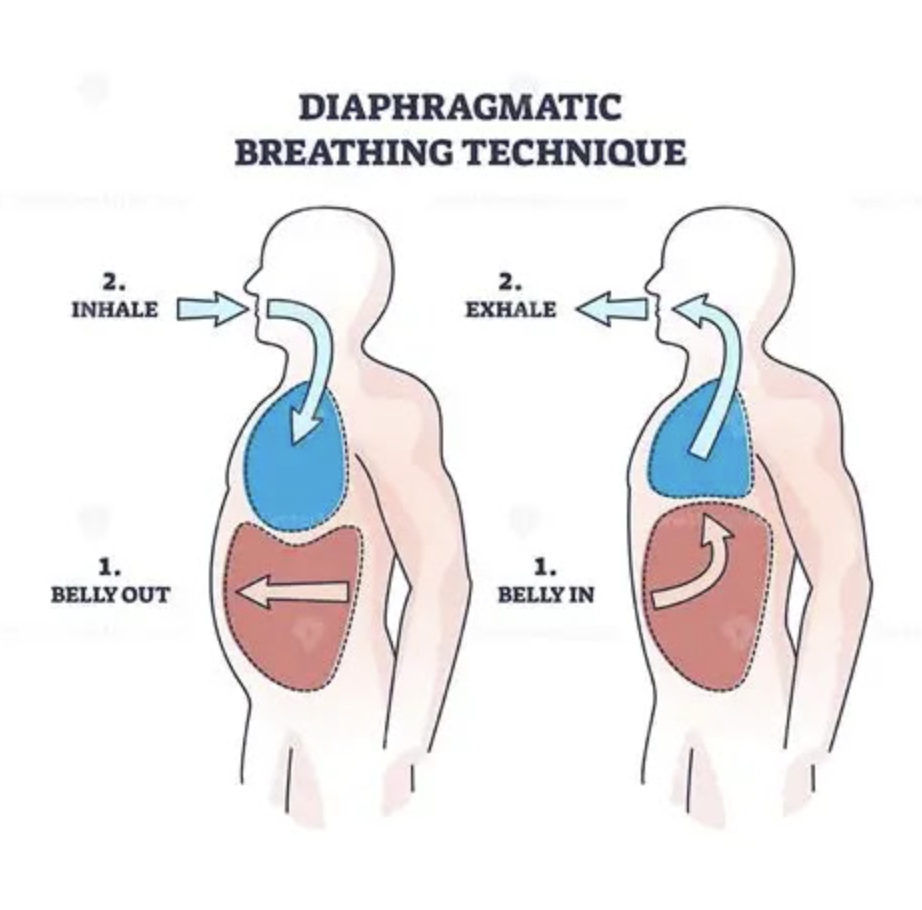
A surprising number of people are chest breathers, which limits oxygen intake and keeps the body in a subtle state of stress. Diaphragmatic (belly) breathing reverses this pattern by engaging the diaphragm — the dome-shaped muscle beneath the lungs — to support deeper, more efficient breathing.
James Nestor’s book Breath highlights how modern lifestyles and processed foods have shifted humans away from natural nasal breathing, contributing to rising rates of snoring, sleep apnea, asthma, allergies, and autoimmune issues.
10 Evidence‑Backed Benefits of Breathwork
Each of these benefits is supported by research and clinical observation:
Stress reduction — Breathwork dampens the acute stress response and helps prevent chronic stress-related illness (Balban et al., 2023).
Improved circulation — Deep abdominal breathing activates the relaxation response and lowers blood pressure (Ma et al., 2017).
Stronger immunity — Regular breathwork boosts energy and immune function (Hof & de Jong, 2016).
Pain management — Breathwork helps regulate acute and chronic pain (Kabat-Zinn, 2013).
Better sleep — Breathing exercises improve sleep quality and reduce insomnia (Ma et al., 2017).
Improved mood — Mindful breathing helps reduce depressive symptoms by grounding the mind (Burg & Michalak, 2011).
Enhanced athletic performance — Breathwork improves cardiovascular fitness, focus, and performance under pressure (Carter & Carter, 2016).
Better concentration — Breathwork lengthens attention span and improves cognitive control (Carter & Carter, 2016).
Support for trauma and addiction recovery — Methods like holotropic breathwork and the Wim Hof method support emotional release and healing (Grof, 2013; Hof, 2020).
Non‑ordinary states of consciousness — Advanced breathwork can evoke profound states of clarity, bliss, and insight (Grof, 2013).
Try These Simple Breathwork Practices at Home
3 Part Breath
Sit or lie down comfortably.
Place one hand on your chest and one on your belly.
Visualize the breath moving down toward the base of the spine.
Let the belly expand like a balloon on the inhale and soften on the exhale.
Visualize the ribcage expanding outward like an accordion.
Notice the gentle lift at the top of the chest.
This breath reconnects you to your diaphragm and calms the nervous system.
Alternate Nostril Breathing
Bring your right thumb to your right nostril and inhale through the left.
Close the left nostril with your ring finger and exhale through the right.
Inhale through the right.
Close the right nostril and exhale through the left.
This completes one cycle. It balances the nervous system and clears mental fog.
Ready to Go Deeper?
If you want personalized guidance, deeper practices, or support integrating breathwork into your wellness routine, you can schedule a session with a trained breath coach on our wellness page.